Loading...
Serving Del Rio, TX and surrounding areas. (830) 507-8640
Your attic can hit 150 degrees on a Del Rio summer afternoon. Without enough insulation, that heat pushes straight through your ceiling and makes your AC run all day. We fix that.
Attic insulation in Del Rio, TX slows the transfer of extreme summer heat through your ceiling so your air conditioner runs less - most installations are complete in a single day, and the improvement in home comfort is noticeable within the first few summer afternoons.
Del Rio falls in a climate zone where the federal government recommends more attic insulation than most homes built before the 1990s actually have. If you can see the wooden joists when you shine a flashlight into your attic, you are significantly under-insulated. That thin layer of material is not enough to stop 150-degree attic air from radiating down into your living space all day.
Many homeowners in Del Rio also benefit from pairing new attic insulation with attic air sealing to close the gaps around light fixtures and pipe penetrations where conditioned air escapes before the insulation ever slows it down.
If your electricity costs jump sharply from May through September and your AC runs almost constantly, your attic insulation is likely the cause. Del Rio's intense summer heat means an under-insulated attic acts like a heat lamp pointed at your ceiling all day. If neighbors in similar homes are paying noticeably less for cooling, that gap is worth investigating.
Walk through your home on a hot afternoon and notice if rooms directly below the attic - especially bedrooms at the back of the house - feel stuffy and warm even with the AC running. Uneven comfort from room to room is one of the clearest signs that heat is getting through your ceiling faster than your air conditioner can remove it.
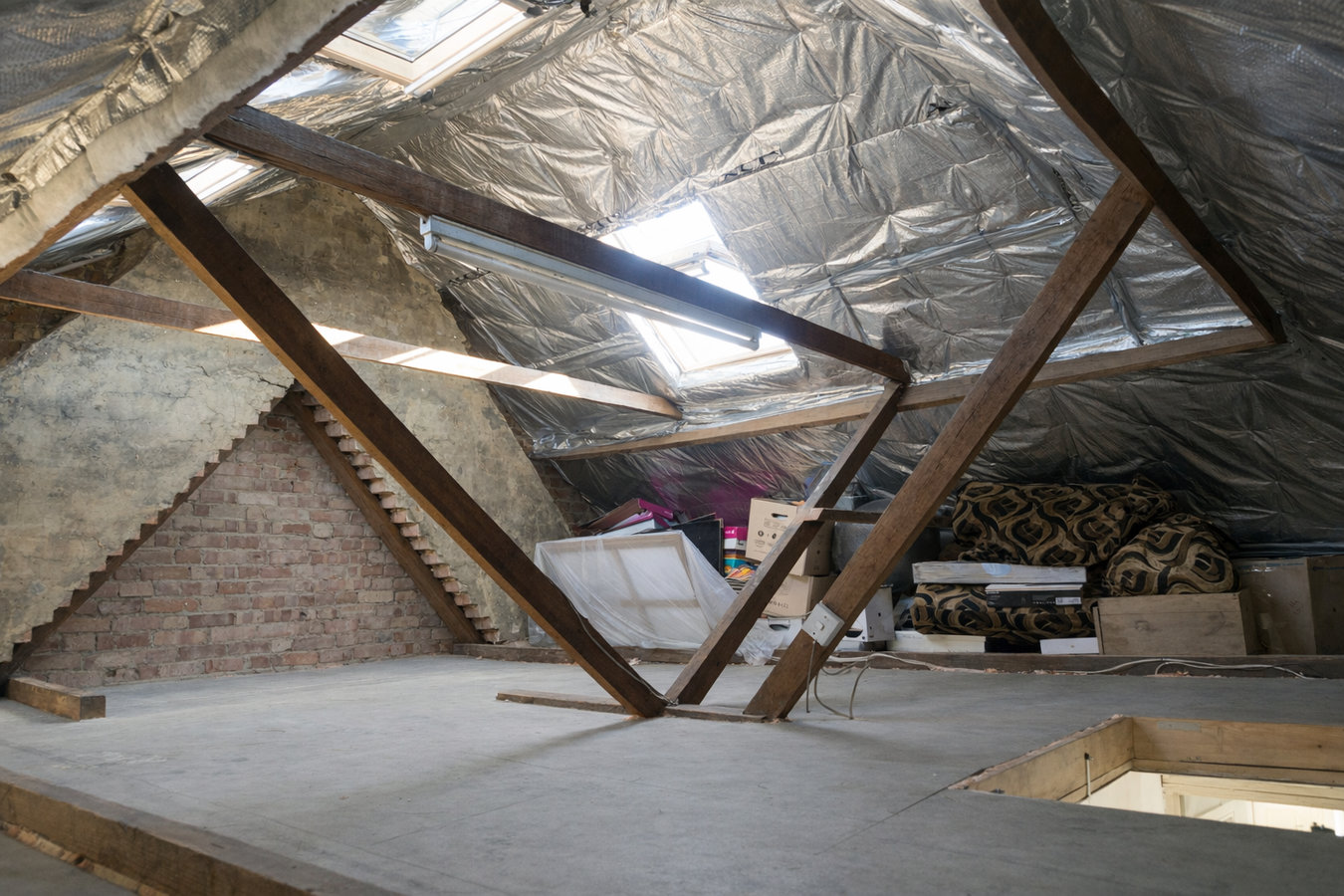
Open your attic hatch and shine a flashlight across the floor. If you can clearly see the wooden beams, your insulation is too thin. A properly insulated attic should have a deep, even layer of material covering those beams completely. Any homeowner can check this in about 30 seconds without climbing inside.
A past roof leak can leave insulation wet, compressed, or moldy in ways that are not visible from below. Rodents and birds nesting in Del Rio's warm attics also damage and displace insulation. If you have had any pest activity or water intrusion up there, have the insulation inspected before assuming it is still working.
Del Rio Insulation installs blown-in loose fill and batt insulation in attics across Del Rio and the surrounding region. Blown-in is the most common choice for existing homes because it fills odd corners and hard-to-reach edges without tearing out walls - a blowing machine outside the house runs a hose up through the attic hatch, and the crew works methodically across the floor until the entire surface is covered at the right depth. For homeowners dealing with gaps and air leaks as well as thin insulation, we often recommend starting with blown-in insulation paired with attic air sealing for the best combined result.
Batt insulation - pre-cut rolls of fiberglass or mineral wool - is a practical option in new construction or during renovations where the attic space is fully accessible. We assess each home individually and recommend the approach that fits the existing conditions, the budget, and Del Rio's hot-climate requirements. Before any new material goes in, we check for moisture, pest damage, or air leaks that could undermine the finished work.
The most popular choice for existing Del Rio homes - fills gaps and corners without demolition.
Pre-cut rolls suited to new construction or fully accessible attics during a renovation.
Free inspection to measure current depth, identify moisture or pest damage, and recommend the right solution.
Closing gaps around light fixtures and pipe penetrations before adding insulation for a more complete result.
Del Rio's summer temperatures regularly climb past 100 degrees, and attic spaces can reach 150 degrees or hotter on a typical July afternoon. That heat radiates down through your ceiling for hours after the hottest part of the day has passed, which is why homes here often feel warm even late into the evening. Del Rio sits in a hot climate zone where the U.S. Department of Energy recommends more attic insulation depth than what was standard when most of the city's homes were built. Neighborhoods like Las Vacas, Cienegas Terrace, and older streets near downtown have a high concentration of homes that have never had an insulation upgrade - and those homes are losing money every single day through an under-insulated ceiling. The proximity to the Rio Grande also introduces seasonal humidity that can degrade insulation over time if the attic is not properly ventilated.
We serve homeowners throughout the area, including those in Del Rio and across the river in Brackettville where many homes share similar age and construction characteristics. For background on why attic insulation depth matters in hot climates, the U.S. Department of Energy's insulation guide explains climate zone recommendations in plain language. Federal tax credits for attic insulation upgrades are also available - the IRS Energy Efficient Home Improvement Credit covers qualifying projects.
We ask a few basic questions - your home's square footage, age, and any specific problems you have noticed. We respond within 1 business day and schedule a free on-site visit. You do not need to know the exact depth of your current insulation before you call.
A contractor accesses your attic - usually through a hallway or closet hatch - and measures the current depth and condition of your existing insulation. We also check for air leaks and any moisture or pest issues. This typically takes 20 to 45 minutes.
You receive a written quote explaining what work is recommended, what materials will be used, and the total cost. Ask whether air sealing is included or priced separately. Get at least two estimates before deciding - a trustworthy contractor will not rush you.
The crew sets up outside and runs a hose into your attic hatch. Most Del Rio homes are done in two to four hours. Before they leave, we show you the finished attic so you can see the coverage depth yourself - no guessing required.
We respond within 1 business day. There is no obligation after your estimate. A contractor will measure your attic, explain exactly what is needed, and give you a written quote with no pressure to sign on the spot.
(830) 507-8640We record the material type and depth we install on every attic job and hand you the data sheet when we finish. You get a clear account of the work in writing, and we coordinate any permits your project needs with the City of Del Rio before we start - so the job is on record from day one.
We have been working on Del Rio homes for over a decade and understand the specific combination of extreme heat, seasonal humidity from the Rio Grande, and older housing stock that shapes what most homeowners here actually need. That local context is built into every recommendation we make.
A properly insulated attic has a deep, even layer of material with no bare patches near the eaves. Before we leave, we walk you through the attic so you can see the coverage yourself with a flashlight. You are not taking anyone's word for it - you can verify the job was done right.
You receive a written estimate before any work begins. It spells out exactly what is included, what materials will be used, and the total price. If anything changes during the job, we discuss it with you first. Del Rio is a small city - our reputation depends on delivering what we promised.
Del Rio Insulation is a locally based attic insulation contractor that has operated in Val Verde County since 2015. Every attic job is handled by our own crew, which means consistent work quality and a single point of contact from your first call to the final walkthrough.
Blown-in insulation fills every corner of an attic evenly without tearing out walls - a popular choice for existing Del Rio homes.
Learn MoreSealing gaps around light fixtures and pipe penetrations before adding insulation makes the whole system significantly more effective.
Learn MoreSpring fills up fast - lock in your installation date before summer heat makes attic work difficult and your cooling bills climb again.