
Loading...
Serving Del Rio, TX and surrounding areas. (830) 507-8640
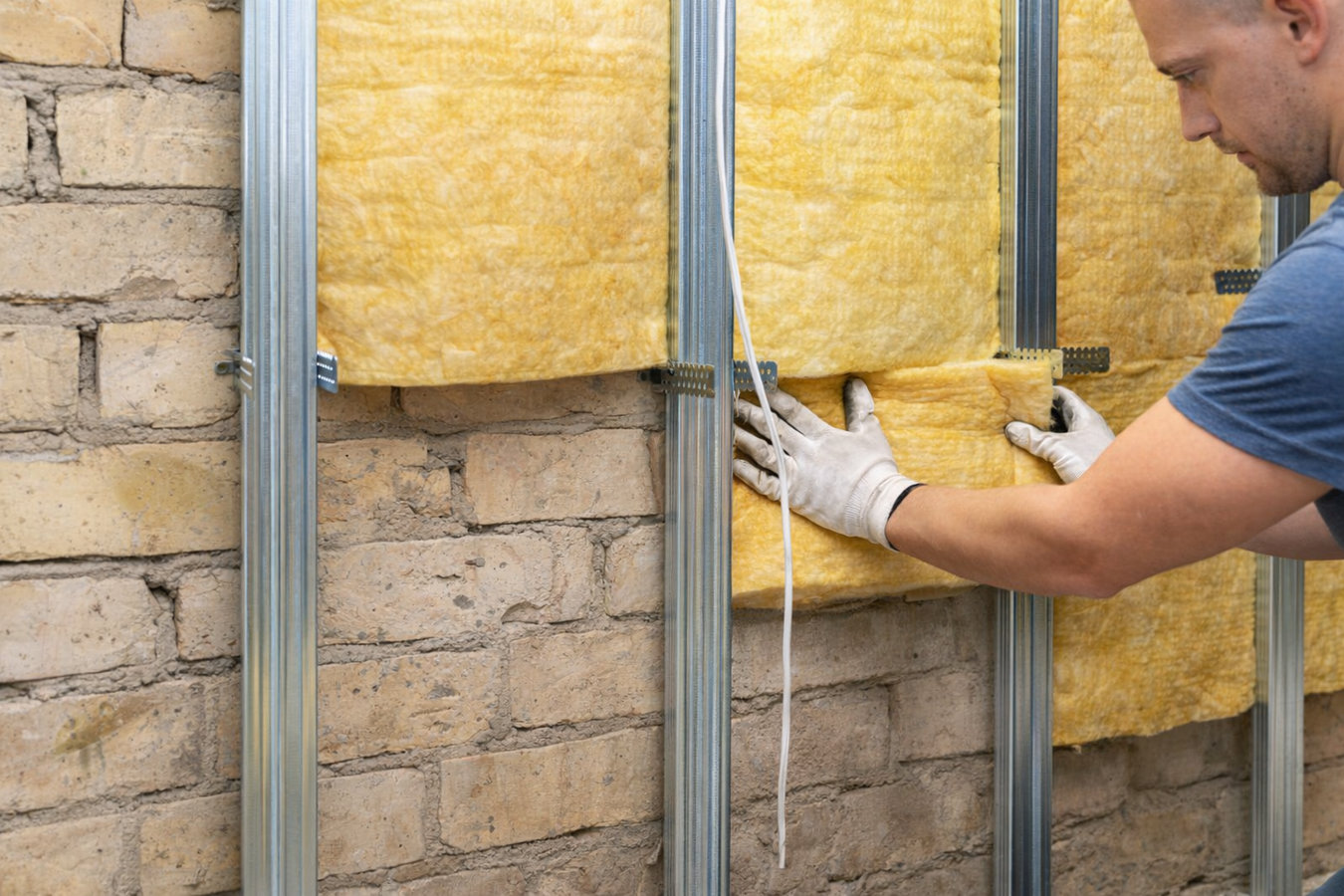
An uninsulated basement lets Del Rio heat push straight up through your floors. We fix that - and check for moisture before a single board goes in.
Basement insulation in Del Rio creates a barrier between your living space and the unconditioned air below it, reducing heat transfer through your floors and lowering the load on your air conditioner. Most jobs take one to two days for an average-sized home.
In Del Rio, where summer temperatures regularly push past 100 degrees Fahrenheit, the floor above an uninsulated basement or crawl space can act like a heat collector all season long. Your HVAC system ends up running almost constantly to compensate. Proper insulation below grade is one of the most direct ways to fix that problem.
If moisture is a concern - and in Del Rio it often is, especially during the June-through-September monsoon season - pairing basement insulation with a crawl space insulation assessment gives you the most complete picture of what is happening below your living floor.
Walk barefoot across the floor in a room above your basement or crawl space. If it feels noticeably warm in July, very little is separating your living space from the unconditioned air below. That heat transfer forces your air conditioner to work harder all season long.
If your cooling costs climb sharply in May and stay high through September, your home is working overtime to fight Del Rio's heat. An uninsulated below-grade space is one of the most common reasons a home loses conditioned air - and one of the easiest to fix.
Del Rio's monsoon season brings elevated humidity that can seep through concrete or block walls. A musty odor or white chalky streaks (called efflorescence) are signs moisture is already getting in. Catching this early means you can address it before insulation goes in - not after.
Many Del Rio homes built near downtown or in established neighborhoods were constructed before modern energy codes required below-grade insulation. If your home is from that era and has never had insulation work done, there is a good chance you are losing conditioned air through the floor every single day.
The right approach to basement insulation depends on how you use the space below your living floor. When the basement is finished or used as a bedroom, office, or playroom, insulating the walls - the inside of the concrete or block foundation - keeps the whole space within your home's comfortable temperature range. We use high-performance materials for wall applications, including closed-cell foam insulation where maximum performance in a limited depth is needed.
For unfinished basements and crawl spaces that stay unconditioned, insulating the ceiling - the floor of the room above - is often the more practical choice. We also address rim joists, the framing at the top of your foundation walls, which is one of the most overlooked air leak locations in older Del Rio homes. Every job starts with a moisture check, because insulation installed over an active moisture problem will fail faster than it should.
Best for finished or semi-finished basements used as living space - keeps the whole below-grade area within your home's comfortable temperature range.
Best for unfinished, unconditioned basements - insulates the floor above so the rooms you actually live in stay comfortable without conditioning the space below.
Ideal for homes with a below-grade crawl space rather than a true basement - addresses heat transfer and moisture from below the living floor.
A targeted upgrade for the framing at the top of your foundation walls - one of the most common air leak locations in older Del Rio homes.
Del Rio sits in a semi-arid climate zone where summer temperatures regularly exceed 100 degrees and the air conditioning season stretches from late spring well into October. That means your below-grade space is fighting heat transfer for the better part of eight months every year. Many homes near downtown Del Rio and in established neighborhoods were built before the 1970s, when below-grade insulation was rarely included. Those homeowners have been absorbing that heat penalty on every utility bill since the house was built. Homeowners in areas like Eagle Pass deal with the same aging housing challenges.
Moisture adds a layer of complexity specific to this region. Del Rio receives most of its annual rainfall between June and September, when Gulf moisture pushes into the area and humidity levels rise sharply. That seasonal humidity can work its way into below-grade spaces through foundation walls. A contractor who does not check for moisture intrusion before installing insulation is setting up a future mold problem. This is one reason communities along the Rio Grande corridor - including those we serve in Comstock - benefit from a combined moisture-and-insulation assessment rather than a one-step installation. You can also read more about this issue from the U.S. Environmental Protection Agency.
When you reach out, we ask a few basic questions - your home's age, the type of below-grade space you have, and whether you have noticed any moisture or comfort issues. We reply within one business day and get you scheduled for an in-person assessment.
We walk through your basement or crawl space before quoting anything. We check existing insulation, look for moisture signs, and measure the space - the visit typically takes 30 to 60 minutes. You will know exactly what we found and what we recommend before we leave.
You receive a written estimate explaining what will be installed, where, and why. The price you agree to is the price you pay. We cover all material and labor costs upfront so there are no day-of additions.
Most basement insulation jobs are completed in a single day. Before the crew leaves, we walk you through the finished work and leave the space clean. Ask for warranty paperwork at this point - we provide it as a matter of course.
We assess your space in person and give you a written estimate before any work starts. No pressure, no phone-only quotes.
(830) 507-8640Del Rio's monsoon season creates real below-grade moisture risk, and we check for it on every assessment before insulation goes in. Covering a moisture problem is the fastest way to create a much more expensive one later - we do not do that.
We give you a price after seeing your space in person, not from a phone call. That means the scope is accurate and the number is fair for your specific home - not a rough ballpark that changes when we arrive.
Every project starts with a free written estimate that spells out scope, materials, and price before any work begins. We document the work we complete and hand you the records when we finish, so you know exactly what went into your space.
We work across Del Rio and surrounding communities, including the areas around Laughlin AFB and Eagle Pass. We know the local housing stock - a lot of the below-grade spaces we work on are in homes built in the 1950s through the 1980s that have never been insulated below grade.
Every one of these points reflects how we operate on every job - not just the ones where a homeowner is already watching closely. That consistency is what earns repeat calls and referrals in a community where neighbors talk to each other.
The U.S. Department of Energy and the North American Insulation Manufacturers Association both publish detailed guidance on below-grade insulation best practices.
The highest R-value-per-inch option - ideal for basements where you need maximum performance in a limited depth.
Learn MoreFor homes with a crawl space below the living floor rather than a full basement - addresses the same heat and moisture challenges.
Learn MoreDemand picks up fast in spring - reach out now and we will get your basement or crawl space assessed and scheduled before the heat season is in full swing.