Loading...
Serving Del Rio, TX and surrounding areas. (830) 507-8640
Del Rio summers hit hard. The right insulation seals your home tight so your AC can finally keep up - and your energy bills stop climbing every June.
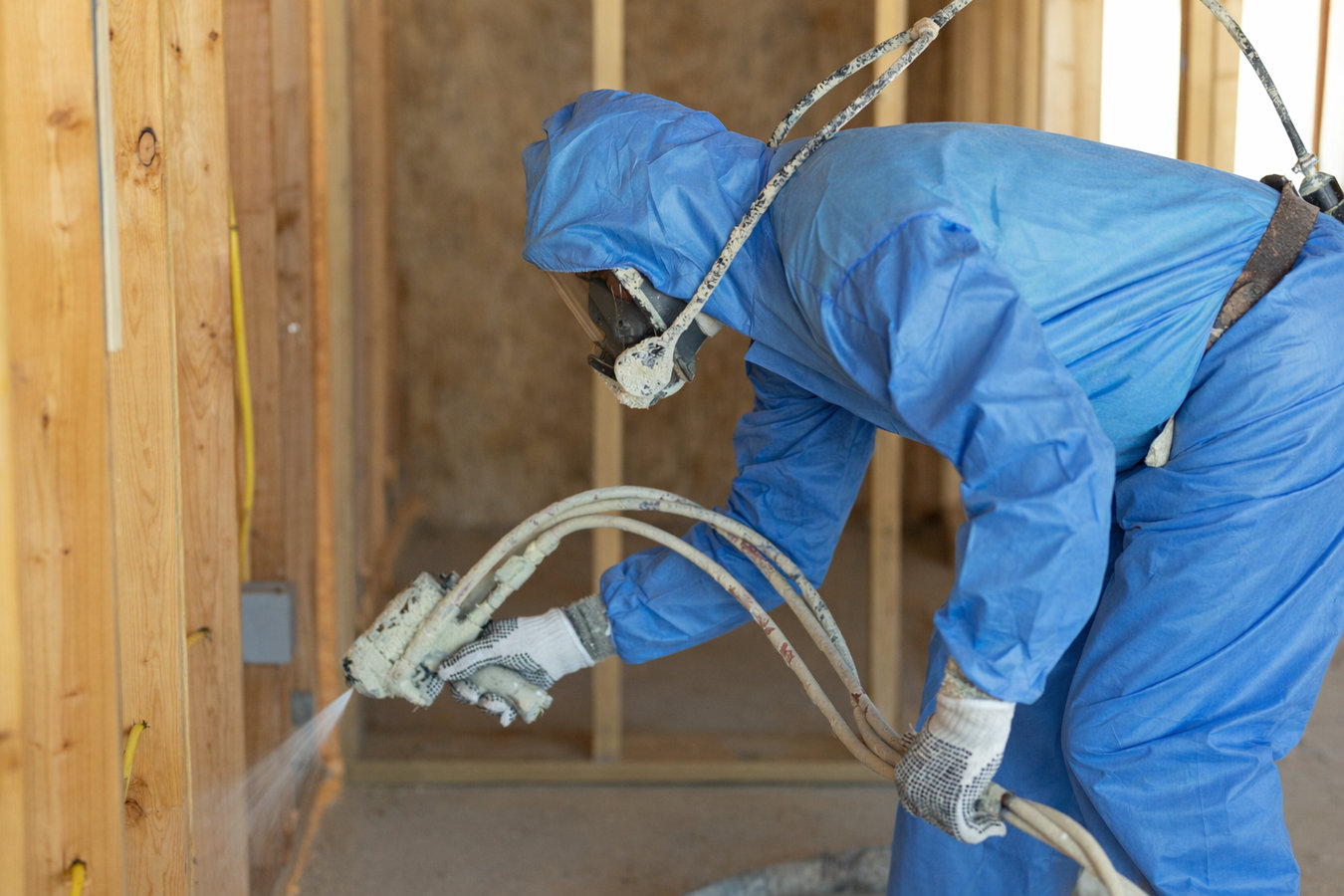
Spray foam insulation in Del Rio, TX creates both an air barrier and an insulating layer in a single application - most residential jobs are complete in one to two days, and the results last the life of your home.
In a city where summer temperatures top 100 degrees and attic heat can climb past 150 degrees on a hot afternoon, the gap between good insulation and poor insulation is felt directly in your monthly electric bill. Unlike fiberglass batts, spray foam expands to fill every gap and crack, so there is no path for that heat to find its way through.
If your home is more than 20 years old and has never had an insulation upgrade, it is almost certainly under-insulated for Del Rio's climate. Many homeowners also benefit from pairing spray foam with attic insulation to cover every surface where heat enters.
If your electricity bill climbs sharply in June and stays high through September, your home is working harder than it should. In Del Rio's extreme heat, a poorly insulated home forces your air conditioner to run almost constantly. If your neighbors in similar-sized homes are paying noticeably less, inadequate insulation is worth investigating first.
A back bedroom or room directly under the roof that feels noticeably warmer than the rest of your home - even with the AC running - means heat is getting in through the ceiling or walls above it. In Del Rio, this is especially common in rooms under low-pitched roofs where attic heat radiates down through under-insulated ceilings.
If you look into your attic and see daylight around pipes, vents, or where the roof meets the walls, outside air is moving freely in and out of your home. That same gap that lets light in lets 105-degree Del Rio air in too. Spray foam seals those gaps completely, which other insulation types cannot do on their own.
Del Rio's summer humidity, combined with temperature swings between day and night, can cause moisture to condense inside attic spaces and wall cavities. Water stains on ceilings, musty odors in closets, or discoloration near attic vents all signal that moisture is getting in. Spray foam seals the pathways that let humid air enter.
Del Rio Insulation installs both closed-cell and open-cell spray foam in attics, crawl spaces, walls, and basements across Del Rio and the surrounding area. Closed-cell foam is the stronger choice for most Del Rio homes - it is denser, more moisture-resistant, and provides a tighter seal against the extreme heat that builds up in South Texas attics. For homeowners looking to upgrade the entire building envelope, we often combine spray foam with closed-cell foam insulation work in specific zones where moisture resistance is the priority.
Open-cell foam is a good fit for interior walls and areas where soundproofing matters more than moisture resistance. We assess each home individually and recommend the type that makes the most sense for the space, the budget, and Del Rio's climate demands. Every job includes a final walkthrough so you can see exactly what was installed before we leave.
Dense, moisture-resistant foam ideal for attics and exterior walls in Del Rio's heat and humidity.
Softer, more affordable foam suited to interior walls and spaces where soundproofing is a priority.
Seals the ceiling plane and stops attic heat from radiating into your living space all afternoon.
Closes off the floor and foundation from ground moisture and outside air infiltration.
Del Rio sits in the Chihuahuan Desert borderlands, where summer temperatures regularly exceed 100 degrees and attics can climb past 150 degrees on a hot July afternoon. That kind of heat puts enormous pressure on any air conditioning system, and a home with gaps in its insulation envelope simply cannot stay cool without running the AC almost continuously. Spray foam's ability to seal both air movement and heat transfer makes it especially effective here - more so than in milder parts of Texas. Proximity to the Rio Grande also means seasonal humidity can work its way into wall cavities and attic spaces, which is another area where closed-cell foam's moisture resistance pays off.
A significant portion of Del Rio's neighborhoods - particularly those near downtown and along older streets - were built between the 1950s and 1970s, when insulation standards were far less demanding than they are today. Homeowners in these areas often see the most noticeable improvement after spray foam installation because they are starting from a low baseline. We regularly serve homeowners in Del Rio as well as neighboring Eagle Pass, where similar conditions apply to a large share of the housing stock. For authoritative guidance on how insulation affects energy use, the U.S. Department of Energy's insulation resource is a reliable starting point.
We will ask a few quick questions about your home - size, age, and what areas you want insulated. We respond within 1 business day and schedule a free on-site visit. You do not need to have every detail figured out before you call.
A contractor walks your attic, crawl space, or the areas you want treated. We check for moisture, ventilation issues, and anything that needs to be addressed before foam goes in. The visit typically takes 30 to 60 minutes.
You receive a written estimate listing what will be insulated, which type of foam is recommended, and the total cost. We do not pressure you to sign the same day. If permits are needed, we handle the application on your behalf.
The crew arrives, preps the space, and completes the spray application - most attic jobs finish in two to four hours. Once the foam cures, we walk you through the completed work so you can see exactly what was done before we leave.
We respond within 1 business day. There is no obligation to proceed after your estimate. Once you submit, someone from our office will call to schedule a free on-site assessment at a time that works for you.
(830) 507-8640We record the foam type and coverage we install on every job and hand you the data sheet when we finish. You get a clear account of the work in writing, and we coordinate any permits your project needs with the City of Del Rio before we start.
We have worked on Del Rio homes for over a decade and know exactly how the local climate - extreme summer heat, periodic humidity from the Rio Grande, and occasional freezes - affects insulation choices. That local knowledge shapes every recommendation we make.
You receive a written estimate spelling out the foam type, the areas being treated, and the total price before anyone picks up a spray gun. If anything changes during the job, we discuss it with you first. No surprises on the invoice.
Before we leave, we walk you through the completed attic or space so you can see the coverage yourself. You should be able to see even, fully adhered foam with no gaps or thin spots. We do not consider a job done until you have seen the work.
Del Rio Insulation is a locally based contractor that has been serving Val Verde County and the surrounding area since 2015. Every job is handled by our own crew - no subcontracting - so you get consistent work and a single point of contact from first call to final walkthrough.
Pair spray foam with a full attic insulation upgrade to stop heat from pushing through your ceiling all summer.
Learn MoreLearn more about the denser, moisture-resistant foam that works best for Del Rio attics and exterior walls.
Learn MoreDel Rio summers do not wait - the sooner your home is sealed, the sooner you stop paying for heat you never wanted inside.