
Loading...
Serving Del Rio, TX and surrounding areas. (830) 507-8640
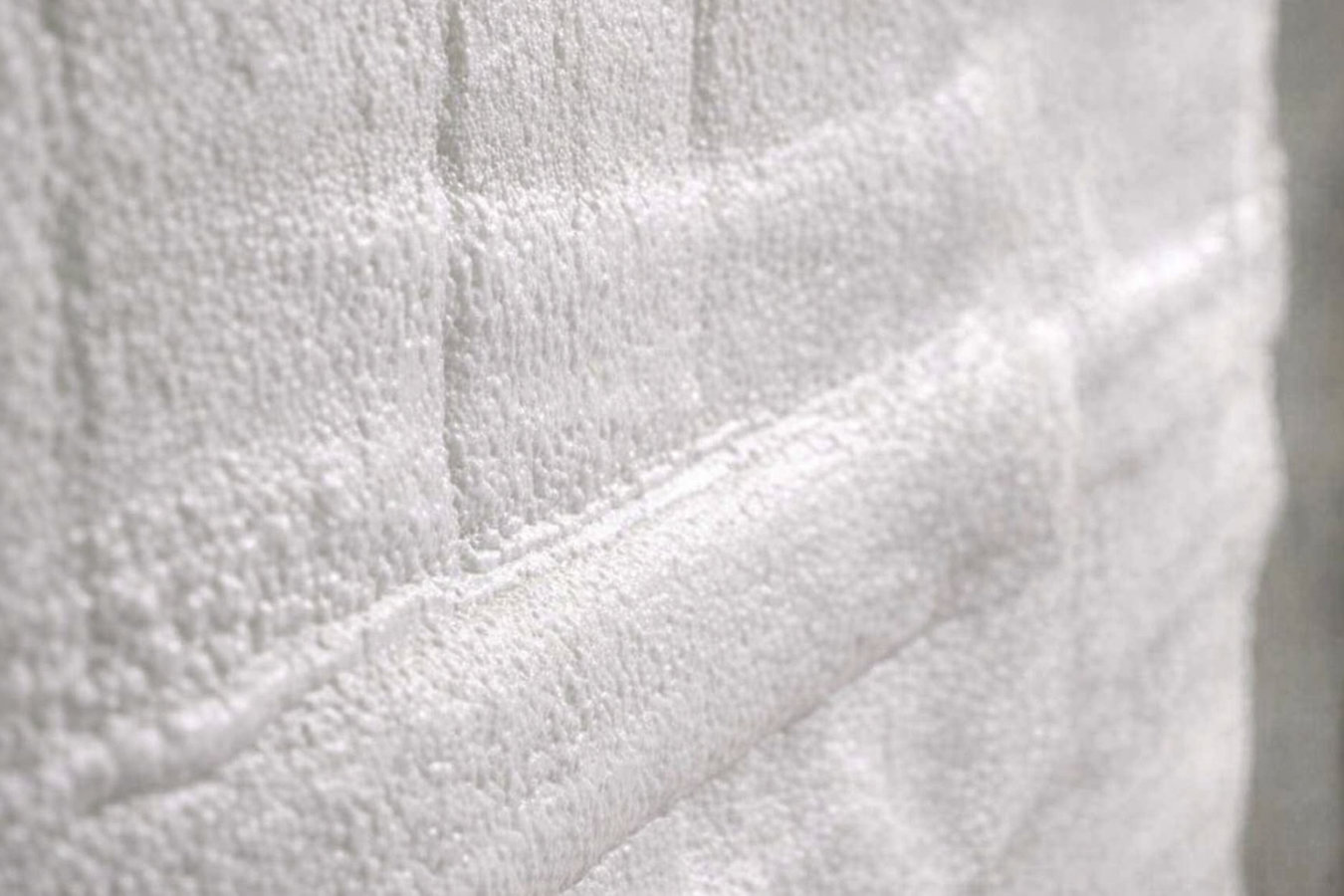
Closed-cell foam delivers the highest R-value per inch of any common insulation and seals air leaks at the same time - the most complete solution for Del Rio homes fighting extreme summer heat.
Closed-cell foam insulation in Del Rio is sprayed on as a liquid, expands into a rigid foam, and hardens in place - blocking heat and sealing air leaks in a single application. Most attic and crawl space jobs are completed in one day, with a 24-hour re-entry window after installation.
In a climate like Del Rio's - where summer temperatures regularly exceed 100 degrees Fahrenheit and the cooling season stretches from late spring into October - insulation that genuinely holds conditioned air inside your home pays for itself faster than it does in milder places. Closed-cell foam delivers the highest R-value per inch of any widely available insulation material, and it also resists moisture movement through walls and ceilings, which matters during Del Rio's late-summer monsoon season.
For homes where the attic is the main thermal problem, closed-cell foam pairs naturally with a broader spray foam insulation plan that addresses walls, crawl spaces, and air penetrations in one project rather than piecemeal fixes.
If your cooling costs jump sharply from May through September and stay high even when you keep the thermostat steady, your home is losing conditioned air faster than it should. In Del Rio, where temperatures can stay above 95 degrees for weeks, a poorly insulated home forces your air conditioner to run almost constantly - and that shortens its life.
If one or two rooms always feel hotter than the rest - especially rooms with exterior walls or rooms directly under the roof - those areas are not holding conditioned air. In older Del Rio homes, the attic is often the biggest culprit: heat radiates down through an under-insulated ceiling and overwhelms whatever cooling you push into the room.
Hold your hand near an electrical outlet on an exterior wall on a hot afternoon. If you feel warmth or a slight draft, air is moving through gaps in your wall cavity. This is common in homes built before modern air-sealing standards, and it is exactly the kind of problem closed-cell foam is designed to fix.
When humidity rises sharply in July and August along the Rio Grande corridor, homes with poor insulation and air sealing let that moist air into the living space. If your home feels sticky or your windows fog on the inside during humid stretches, moisture is getting in through gaps in the building envelope - and that can lead to mold or wood damage over time.
Closed-cell foam is versatile enough to address the most common thermal weak points in Del Rio homes. The attic is almost always the highest-priority area - heat radiating through an under-insulated attic ceiling is one of the main reasons rooms near the roof feel stuffy no matter how hard the air conditioner runs. We also apply foam in crawl spaces and basements where moisture resistance makes it the right choice over other materials. For homes that need a full thermal overhaul, we can combine attic foam with open-cell foam insulation in interior wall cavities where dense, rigid coverage is less critical.
Older Del Rio homes built before the 1980s often have irregular framing gaps and penetrations that batt insulation never fully covered. Foam fills those cavities as it expands - which is one reason it outperforms batts in homes from that era. Rim joists, wiring penetrations, and pipe chases are all targets we address in the same installation visit, rather than leaving them for a separate air-sealing trip.
The most impactful application for most Del Rio homes - creates a continuous air and thermal barrier at the roof deck, keeping attic heat from radiating down into living spaces.
Seals below-grade spaces against heat transfer and moisture in a single application - the right call when moisture resistance matters as much as insulating value.
Fills irregular gaps and cavities common in older construction - particularly effective in pre-1980 Del Rio homes where batt insulation never reached full coverage.
Targets the framing at the top of foundation walls and around pipes or wiring penetrations - stops the air leaks that batts cannot fully address.
Del Rio sits in the Chihuahuan Desert region of southwest Texas, where summer temperatures regularly exceed 100 degrees and the cooling season runs from late spring well into October. That means your air conditioner is working harder and longer than it would almost anywhere else in the country. Insulation that genuinely holds conditioned air inside your home - rather than just slowing heat down - pays for itself faster here. A significant share of Del Rio's residential neighborhoods were built in the mid-20th century, when insulation standards were far less demanding than they are today, meaning many homes have little or no effective insulation left in the attic, walls, or crawl spaces. Homeowners in communities we serve like Eagle Pass face the same conditions.
Despite being a desert city, Del Rio sits near the confluence of the Rio Grande and San Felipe Creek, and humidity levels can spike significantly during monsoon season in late summer. That moisture can work its way into walls and attic spaces. Closed-cell foam's resistance to moisture makes it particularly well-suited to homes in this part of Val Verde County. Homeowners out toward Laughlin AFB deal with the same combination of desert heat and seasonal humidity spikes. The Spray Polyurethane Foam Alliance and the U.S. Department of Energy both provide detailed guidance on closed-cell foam performance standards.
When you reach out, we ask about the size of your home, which areas you want insulated, and any issues with heat, humidity, or high energy bills. We reply within one business day and schedule a site visit - no commitments at this stage.
We look at your attic, crawl space, or walls and check the current condition of any existing insulation, measure the space, and identify anything that needs prep work before foam can be applied. This is your chance to ask questions before you decide anything.
Before the crew arrives, clear access to the work area. Plan to be out of the home for at least 24 hours after installation, so arrange somewhere to stay with your family and pets. Your contractor will give you a clear checklist of what to do before they arrive.
The crew applies foam in passes - it goes on as a liquid and expands into a solid within seconds. Once curing is complete, we walk you through the finished work, confirm the foam depth in key areas, and answer any questions before packing up.
We assess your home in person and give you a written quote before any foam is sprayed. No pressure, no phone-only pricing.
(830) 507-8640A significant share of the homes we work on in Del Rio were built between the 1950s and the 1980s, often with little or no effective insulation remaining in the attic or walls. We know what to look for in that era of construction and how to address it correctly.
We measure the foam depth in key areas at the end of every job and walk you through the results. You should never have to wonder whether the thickness matches what you paid for - we show you.
Del Rio's monsoon season creates real moisture risk in attics, walls, and crawl spaces. We assess conditions before installation so foam goes in over a clean, dry surface - not over a problem that will quietly grow behind the insulation.
Every project starts with a free written estimate that spells out the foam type, coverage, and price before any work begins. We document the work we complete and hand you the records when we finish, so you have a clear account of what was installed.
In a smaller market like Del Rio, word travels fast. We operate the same way on every job because the homeowner calling us next month may be the neighbor of the homeowner we worked for this week.
The U.S. Environmental Protection Agency publishes guidance on spray foam safety, re-entry times, and ventilation requirements.
A softer, lower-cost foam option suited to interior applications where moisture resistance is less critical than in exterior walls or crawl spaces.
Learn MoreAn overview of all spray foam options - helps you compare closed-cell and open-cell performance side by side for your specific project.
Learn MoreScheduling fills up fast once spring arrives. Reach out now and we will get your home assessed and on the calendar before the heat is in full swing.